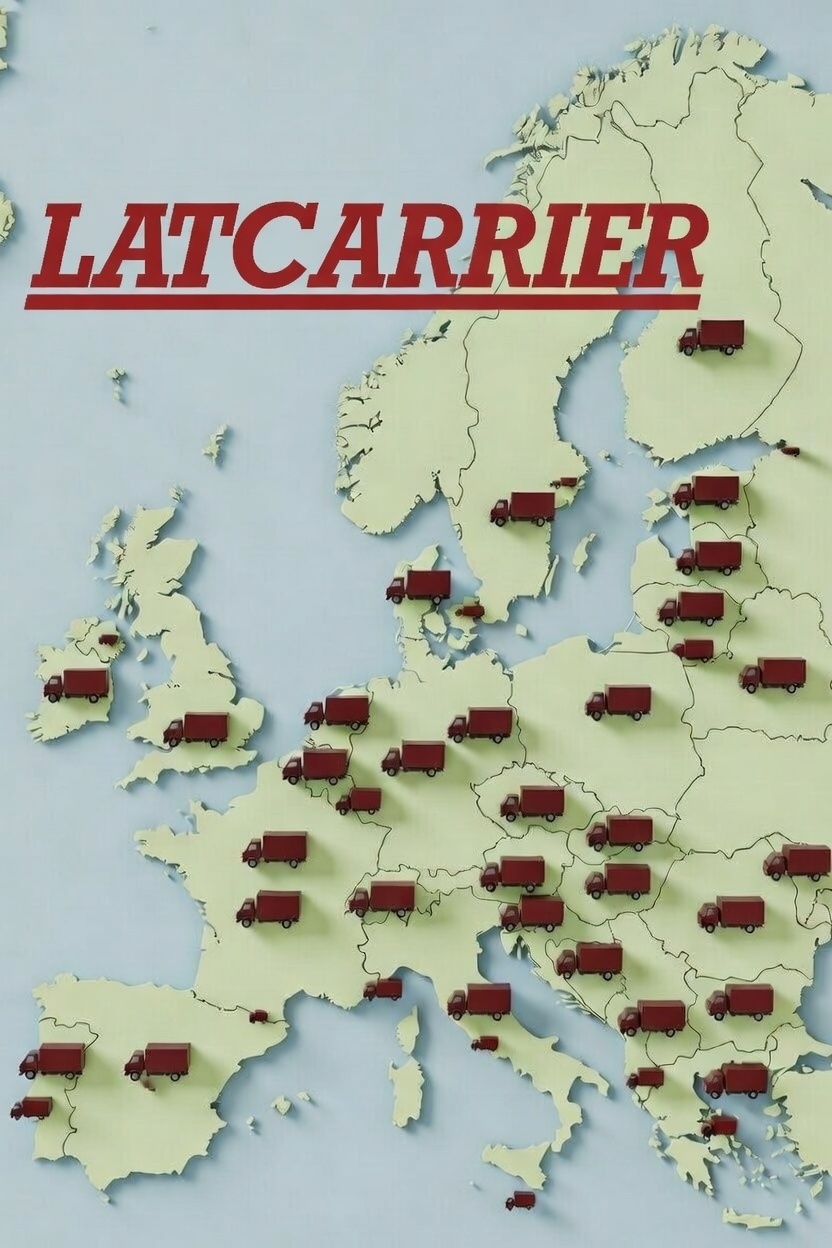
Import and export logistics is a key component of business operations between Europe and the Baltic region. Regardless of industry — manufacturing, trade, e-commerce, or industrial projects - structured cargo flow management directly impacts a company’s growth and competitiveness.
Modern import and export operations are more than transportation from point A to point B. They represent a managed system where planning, deadline compliance, cost control, and accurate information exchange between all participants are essential.
Modern import and export operations are more than transportation from point A to point B. They represent a managed system where planning, deadline compliance, cost control, and accurate information exchange between all participants are essential.
Importing Goods from Europe
Organizing imports from Europe involves regular shipment planning from multiple countries and suppliers within a unified logistics framework.
For businesses, the following are particularly important:
• predictable delivery timelines
• correct selection of transport type (LTL, FTL, combined solutions)
• cargo consolidation
• timely coordination of all involved parties
Effective imports are built on a clear logistics structure and timely management decisions. The better suppliers and transport are synchronized, the more stable the entire supply chain becomes.
Exporting to the European Market
Export flow organization requires precise internal coordination. The process begins at the company’s warehouse — with planning and shipment readiness.
Stable exports require:
• timely transport booking
• coordination with the consignee
• structured delivery schedules
• transparent cost control
The quality of export logistics directly affects a company’s reputation and the sustainability of partnerships in the European market.
Stable exports require:
• timely transport booking
• coordination with the consignee
• structured delivery schedules
• transparent cost control
The quality of export logistics directly affects a company’s reputation and the sustainability of partnerships in the European market.
Common Challenges in Import and Export Logistics
Companies most often face:
• insufficient internal coordination
• unpredictable transport costs
• incomplete or delayed information exchange
• supply chain disruptions
These factors slow cargo movement and increase risks. Therefore, import and export logistics require not only a reliable external partner but also well-organized internal company processes.
Latvia in the European Cargo Movement System
Latvia is not an isolated logistics point but a full part of the unified European cargo movement system. Transport organization here operates within the same economic space and tempo as the rest of Europe.
Import and export logistics function in a shared environment where planning alone is not enough - communication, synchronization, and coordination are equally important. To maintain stable delivery rhythms, companies must operate within the overall European pace.
Control in this system means the ability to respond promptly, maintain accurate information flow, and ensure coordination across all stages of the supply chain.
Import and Export Logistics – Frequently Asked Questions
What is import and export logistics?
Import and export logistics is the organization of cargo flow between countries — from transport planning and mode selection to final delivery. It includes coordination across all supply chainparticipants.
In practice, Latcarrier structures import and export logistics as a unified system focused on planning, transparent communication, and cargo movement control.
How does Latcarrier organize imports from Europe?
Latcarrier consolidates shipments, selects the optimal transport type (LTL or FTL), and ensures regular delivery schedules to Latvia and the Baltic region.
How does Latcarrier manage exports to Europe?
Latcarrier supports companies at the preparation stage, structures shipments, and ensures timely transport booking.
How can risks in import and export operations be reduced?
Through proper planning, structured communication, and coordinated cooperation with a logistics partner.
What determines import and export costs?
Distance, cargo volume, transport type, and market load influence pricing. Timely planning helps control budgets and reduce financial risks.
What’s the next step?
If your business is connected to imports or exports, the next step is clear — structure your processes before they start creating risks.
Do not leave logistics unmanaged.
Plan ahead — or at least on time.
Synchronize processes with all parties involved.
Structure your internal operations.
Latcarrier’s approach is not theory — it is practical organization, clear communication, and controlled cargo flow.
If you want logistics to support your results instead of creating problems, contact us and start with a structured system today.
